 VFIntel
Replace paper with proof
In one breath
VFIntel is the regulated plumbing between the renter, the landlord, the bank, the insurer and the credit system, and the one file they all read from. It verifies the renter, collects the rent, puts the insurance in place, reports the rent so it builds credit, and keeps the rules. All of it is written down when the money arrives.

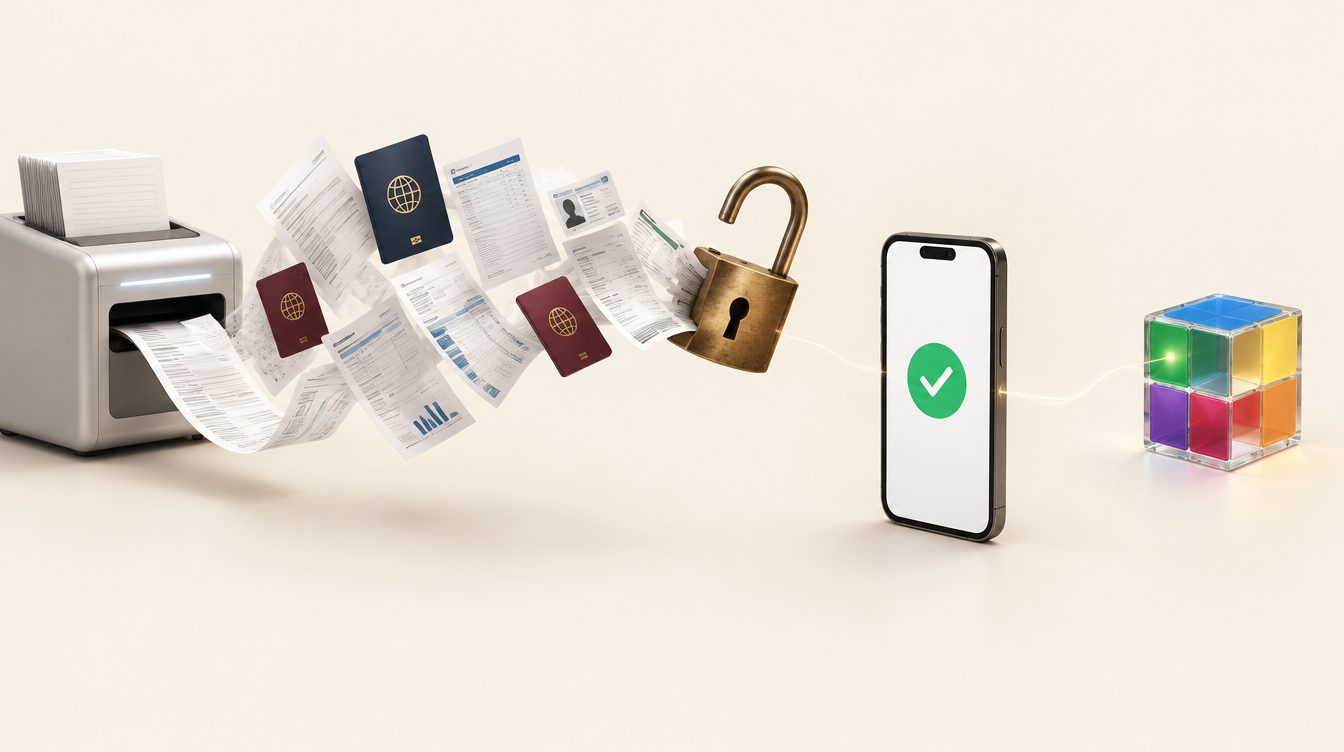
For a hundred years the rental economy ran on paper. A pay stub. A bank statement. A reference letter. A passport. Nobody trusted the person. They trusted the paper, because paper was hard to fake. That was the whole trust system behind about 50 million rented homes in Canada and the United States, and it worked well enough that nobody noticed it was there.
In the last eighteen months, AI made paper free. A perfect pay stub costs nothing. A perfect person costs nothing. Fraudulent documents made with AI rose 500 percent between April and December 2025 (Snappt). More than nine in ten apartment operators were hit by application fraud in a single year (NMHC, 2024). The thing everybody was actually trusting is gone.
What AI created
Fake people with perfect documents
Fake landlords and fake listings taking deposits from real renters: 65 million dollars in losses reported to the FTC since 2020, and reported is the small number (FTC, December 2025). Applications generated in bulk, so a landlord drowns in perfect applicants and cannot tell which one exists. Deepfaked references and employers who answer the phone. Every identity check that looks at one moment in time, obsolete on the day it is built. And a new one: software that now acts for people, showing up fast. Nobody at the lease can trust it, because nothing checks whether what it did was right.
Why nobody can fix it from where they stand
Every institution sees one sliver of the person

The bank moves the money and sees nothing of the lease. The insurer sells insurance after the move and prices a postal code. The bureau sees a card, a car and a phone, and not the rent: about 87 percent of rent is reported nowhere (TransUnion, 2025). The landlord sees the paper. None of them can rebuild trust from inside, because the fix is not a better check. It is institutional, legal and slow.
AI cannot fix it either
Each of these is something a company has to do
A model cannot sign an agreement with a bank or a card network.
It cannot hold a licence or pass an audit.
It cannot make a dollar move.
It cannot get four parties who distrust each other to agree on one record, because a record owned by any one of them is not neutral.
It cannot manufacture last year's rent this afternoon.
It cannot be the accountable party when a regulator asks who decided.
That is why the answer is a company, not a model.
The one thing AI cannot counterfeit
Money that actually moved
Recorded when the payment arrived, through the regulated banking system, with the person's consent to share it. Twelve months of rent leaving a real account and arriving where the lease said it should is proof a fake person cannot make. It costs real money over real time.
That is what VFIntel writes down, and it replaces paper as the source of trust. Identity is no longer something you show at the door. It is something you earn, month by month, and it belongs to you.
And here is what makes this a new approach, not just a patch. The fix for the fraud is also what unlocks everything the old system could not do. The proof that a person is real is the proof that a person pays. The proof that a person pays is what the insurer, the lender and the next landlord were missing all along.
What VFIntel is, plainly
The plumbing between the five parties
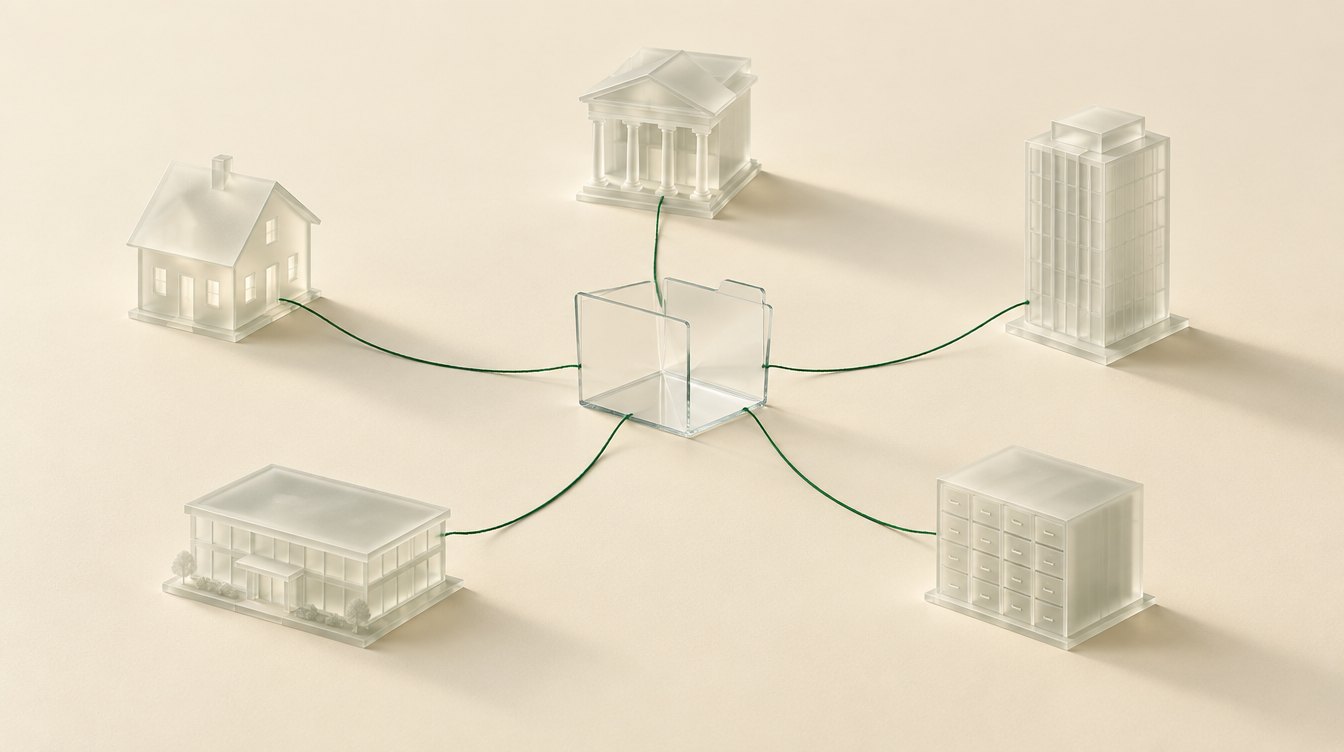
Every lease has five parties: the renter, the landlord or property office, the bank that moves the rent, the insurer that insures the home, and the bureau and lender that decide what the renter can borrow. Each keeps its own file on the same person. None of them share. VFIntel is the plumbing between the five, and the one file they all read from: every rent payment, premium, deposit and claim, written down when the money arrives.
What it does, in the order a person meets it
Where it fits. Not a bank, not an insurer, not a lender, not a bureau. The regulated plumbing in the middle, the way Plaid sits between apps and banks and ICE sits between the lender and the mortgage. It earns by carrying the transaction and connecting the data: a share of the premium, a fee on the payment, a fee for the credit and the data. The six kinds of regulated work that happen at a lease, payments, insurance, credit, identity, banking and the lease rules, are held in one place instead of six.
What becomes possible
Every party can price the individual
When identity is earned instead of shown, every party can price the individual instead of the average.




The building gets a record of its own.
A verified rent roll, a maintenance history, a compliance history and insurance history make a building a different asset from one with a folder.
The work runs on facts. Month ends that prepare themselves and wait for a person. Claims paid on what was true on the date of loss rather than a phone call. An app that pays your rent for you, under a permission that can shrink but not grow, refused with reasons when the record says no.
The size of it
What every incumbent has written off
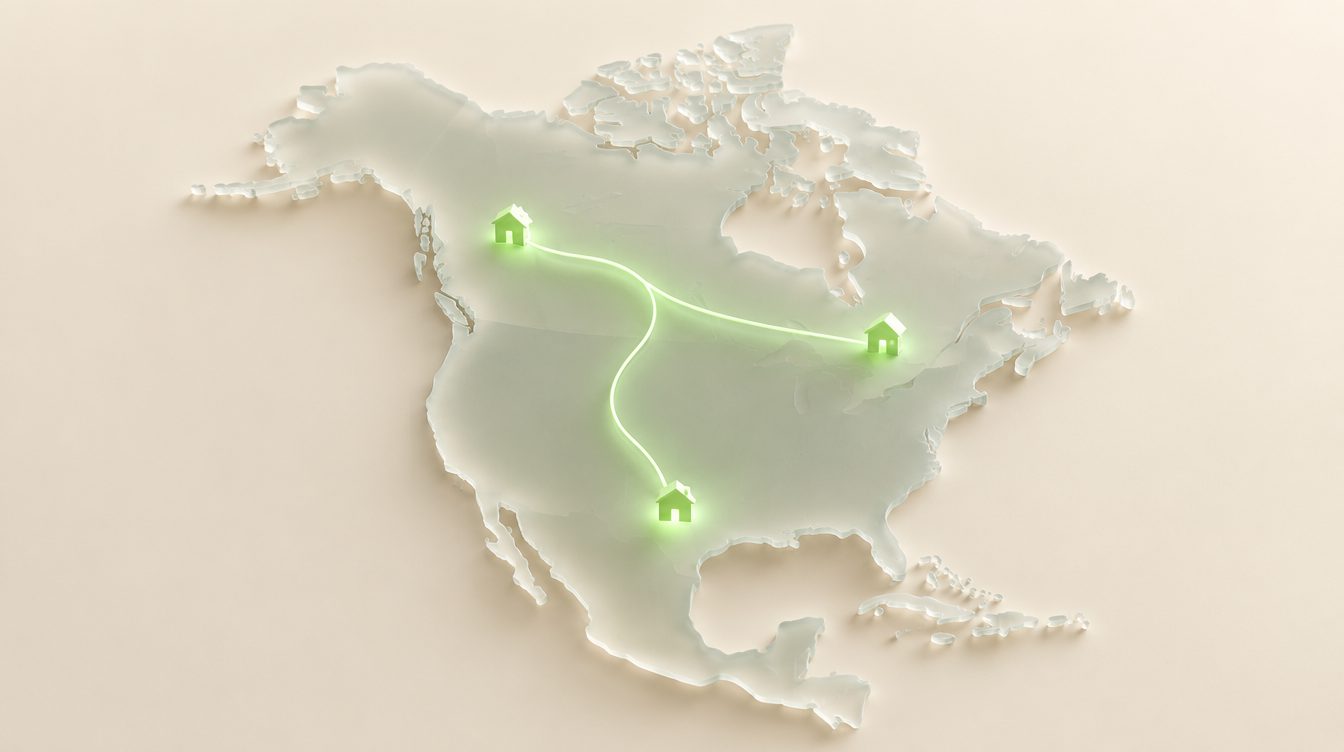
North American rent runs on the order of 700 to 800 billion dollars a year in the United States and 60 to 90 billion in Canada (Census ACS 2024, CMHC 2024), moving on payment systems that carry no proof of who paid. Screening is a 3.5 billion dollar market that fails nine operators in ten. The pools above are what every incumbent has written off, because reaching them takes all six capabilities at once: payments, insurance, credit, identity, banking and lease compliance. One alone does nothing. Together they are a new asset.
And it does not stop at a border. None of this history follows a person from Ontario to Alberta, from Texas to Ohio, or from Toronto to Buffalo. Canada welcomed 483,000 new permanent residents in 2024 alone, every one of them arriving at a lease with a blank record. In the United Kingdom about half of renters carry no contents insurance; in Germany more than half of all people rent (Nationwide, Destatis). A newcomer arrives today with no history and pays for years for that blank; with the record, the history is theirs and lands with them. Same person, same rent, same proof, in Toronto, Austin, Manchester or Sydney. What is built for North America is the template for every country where paper was the trust.
Who changes the ecosystem with us
Each one gets what it could not build alone
A carrier with both life and property books.
A sponsor bank and a card network.
A bureau that wants the rent line, and the mortgage system looking for a rent source.
The property software that holds the lease and nothing else.
The settlement agencies and employers who bring newcomers with no history.
Governments with a housing problem and no lever.
Each gets what it has wanted for years and could not build, because building it takes all six at once.
The north star
Replace paper with proof.

Everything we build is measured against it. The record is the proof. The person owns it. Every party can act on it. Plaid connected banking. ICE connected the mortgage. VFIntel connects the lease.